
Theoretical Institute
for Advanced Mathematics
and Science
Where Big Questions Become New Possibilities.
At the LSU Theoretical Institute for Advanced Mathematics and Science, curiosity has no boundaries. We bring together bold thinkers from across mathematics and the sciences to explore fundamental questions, challenge established ideas, and uncover connections that can transform how we understand the world. Through collaboration, discovery, and imagination, abstract theories become the foundation for breakthroughs that reach far beyond the expected.
Current & Upcoming
TIAMS programs bring together experts in mathematics, physics, and related fields to explore complex scientific questions through research, training, and collaboration. Activities include workshops, seminars, visiting scholars, interdisciplinary initiatives, and extended academic-year programs designed to spark new ideas and advance discovery.




Visit Us
See something you like? Of course you do.
TIAMS welcomes faculty, researchers, visiting scholars, and collaborators to LSU. Whether you are joining us for a seminar, workshop, extended research stay, or sabbatical visit, we can help you plan your time in Baton Rouge.
Research & Ideas

LSU physicist Constantin Schrade will receive a DOE Career Award to explore how altermagnets, an emerging class of magnetic materials, could be used to control the movement of electrons based on their spin. The research builds on his recent work published in Science Advances and could help advance spintronics, a promising approach to developing more energy-efficient computing technologies.
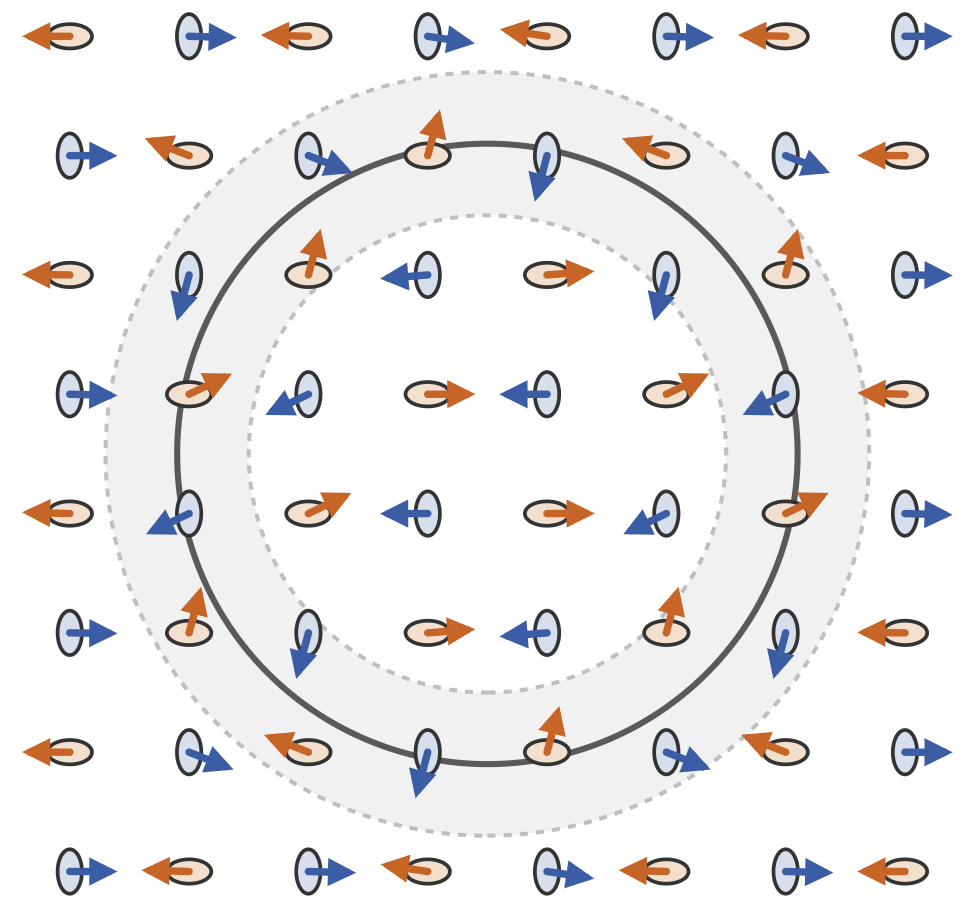
LSU physicist Constantin Schrade and collaborator Mathias S. Scheurer have developed a new theory for controlling how electrons move through altermagnets, an emerging class of magnetic materials. Their work shows that changing the material’s microscopic magnetic patterns could steer electrons in different directions depending on their spin. The findings give scientists new predictions to test and could eventually help researchers control how spin-based information moves through future electronic technologies.
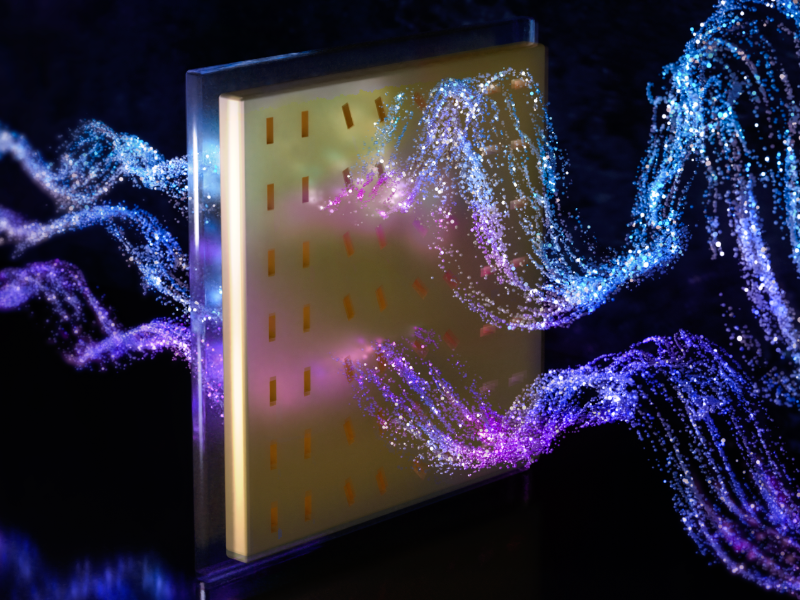
LSU physicists have developed the first room-temperature quantum material capable of distinguishing and transporting different quantum states of light. Published in Nature, the breakthrough establishes a blueprint for engineering future quantum materials that could advance quantum computing, secure communications, sensing technologies, and renewable energy.