
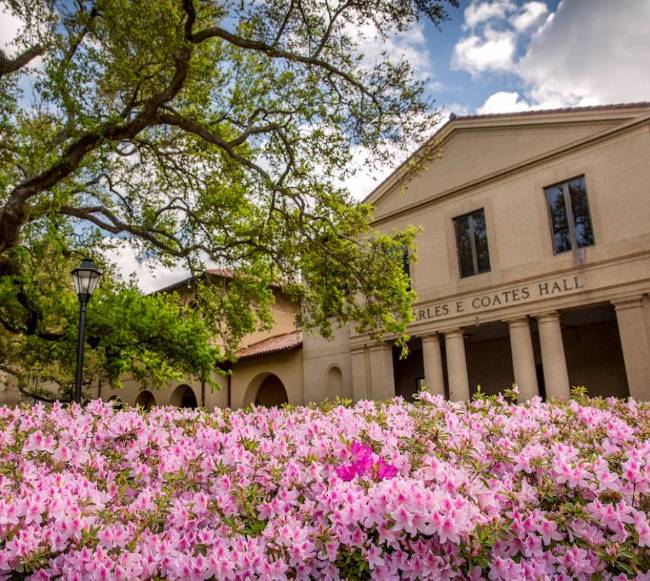


Three LSU Students and Alumni Killed in World War II Added to LSU War Memorial
May 20, 2026
Three LSU students and alumni who lost their lives during World War II have been added to the LSU War Memorial.
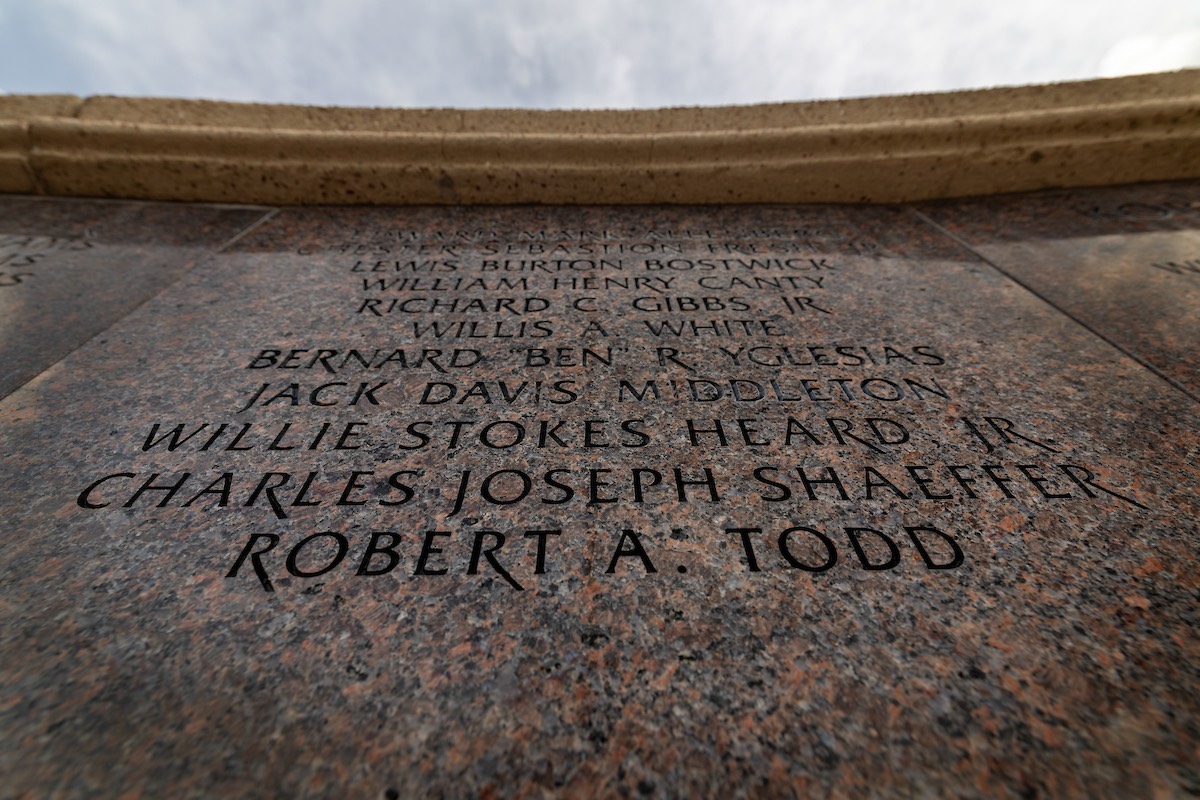
The names of three LSU alumni killed during World War II have been added to the LSU War Memorial.
James P. Gregory Jr. is constantly researching LSU military history in his role as director of the William A. Brookshire LSU Military Museum. During his research, he discovered three LSU alumni had been accidentally excluded from the memorial.
The stories of Willie Stokes Heard Jr., Charles J. Shaeffer, and Robert B. Todd reflect differing experiences in combat, yet share a common foundation: each was educated at LSU, and each represented LSU pride and courage both on campus and in their fight for freedom.
“These men represent that long tradition of service through LSU. They're a great example of the Ole War Skule that LSU is, the number of people that went into the military,” Gregory said.
Their names were added to LSU’s War Memorial and will be revealed during a Memorial Day Ceremony at noon on May 25 at the flagpole on LSU’s Parade Ground.
Willie Stokes Heard Jr.
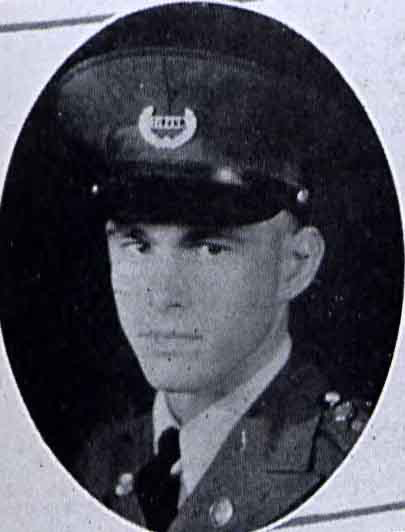
Willie Stokes Heard Jr.
Willie Stokes Heard Jr. was born on Sept. 8, 1913, in West Monroe, Louisiana. He attended LSU and earned a Bachelor of Arts degree in 1933. While at LSU, Heard demonstrated leadership as captain of the band and served as a second lieutenant in the Army Reserve.
He continued his studies at LSU Law School, graduating with his law degree in 1936. As a practicing lawyer, Heard was called to federal service in 1941, assigned to Company B of the 192nd Tank Battalion and deployed to the Philippines.
Following the attack on Pearl Harbor, the 192nd was ordered to face the Japanese invasion, leading to four months of fighting in defense of the Philippines. During this battle, Heard was wounded, yet he returned to action only a month later. Despite the battalion's efforts to destroy Japanese tanks, the soldiers were captured, including Heard, and held as prisoners of war, enduring the Bataan Death March.
Months later, Heard was forced to board a Japanese ship, the Arisan Maru, for transfer to Japan. While on the ship, an American submarine, the USS Shark, torpedoed the Arisan Maru. Despite American efforts, the Japanese sank the Shark while also leaving American POWs on the Arisan Maru, “sealing them in so they couldn't escape,” Gregory said. Unfortunately, Heard, along with 1,780 POWs, died that day.
“You survived the Bataan Death March. And now you're on the ship, then you get killed. The worst part is he was killed by an American,” Gregory said.
Robert B. Todd
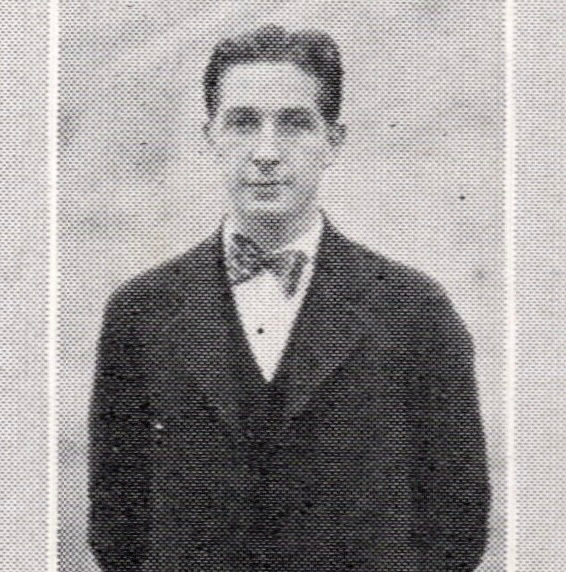
Robert B. Todd
Robert B. Todd, a Virginia native, was born in 1903 and graduated from LSU in 1928.
He worked as a reporter in Baton Rouge during his college years and, after graduation, began practicing Law in New Orleans. Even though he had a career, “his feelings for service were strong enough to also join up,” Gregory said.
Joining the service in 1942, Todd served as a gunner in England, and only a year after joining, he was sent on a mission to bomb submarine pens at Wilhelmshaven. During the mission, Todd's fighter plane collided with a German aircraft over Marx, Germany, causing him to be “killed in combat, right in action,” Gregory said.
Charles J. Shaeffer
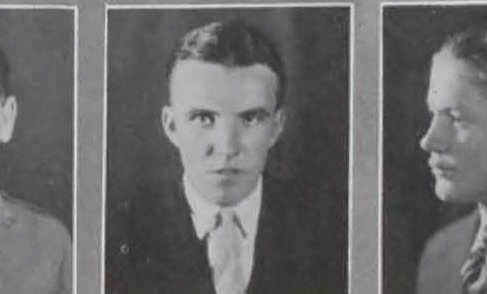
Charles J. Shaeffer
From Paris, Texas, Charles J. Shaeffer attended LSU from 1925 to 1928 before joining the U.S. Marine Corps nearly 15 years later.
During his time serving in World War II, Shaeffer was stationed in the Southwest Pacific for 18 months. He was killed in an aviation crash in 1944 at Henderson Field, Guadalcanal.
Willie Stokes Heard Jr., Charles J. Shaeffer, and Robert B. Todd endured one of the greatest conflicts in human history while serving in the U.S. military as LSU students and alumni, and their names are now on the museum's wall alongside 645 other LSU students and alumni who served our country.
“With their addition, members of the community can attend and leave the museum with a larger understanding of the immense scope of LSU's reach in the military and its history of service through the university,” Gregory said. “Whether you are a student, faculty member, or staff member at LSU, it's all part of the same LSU community.”